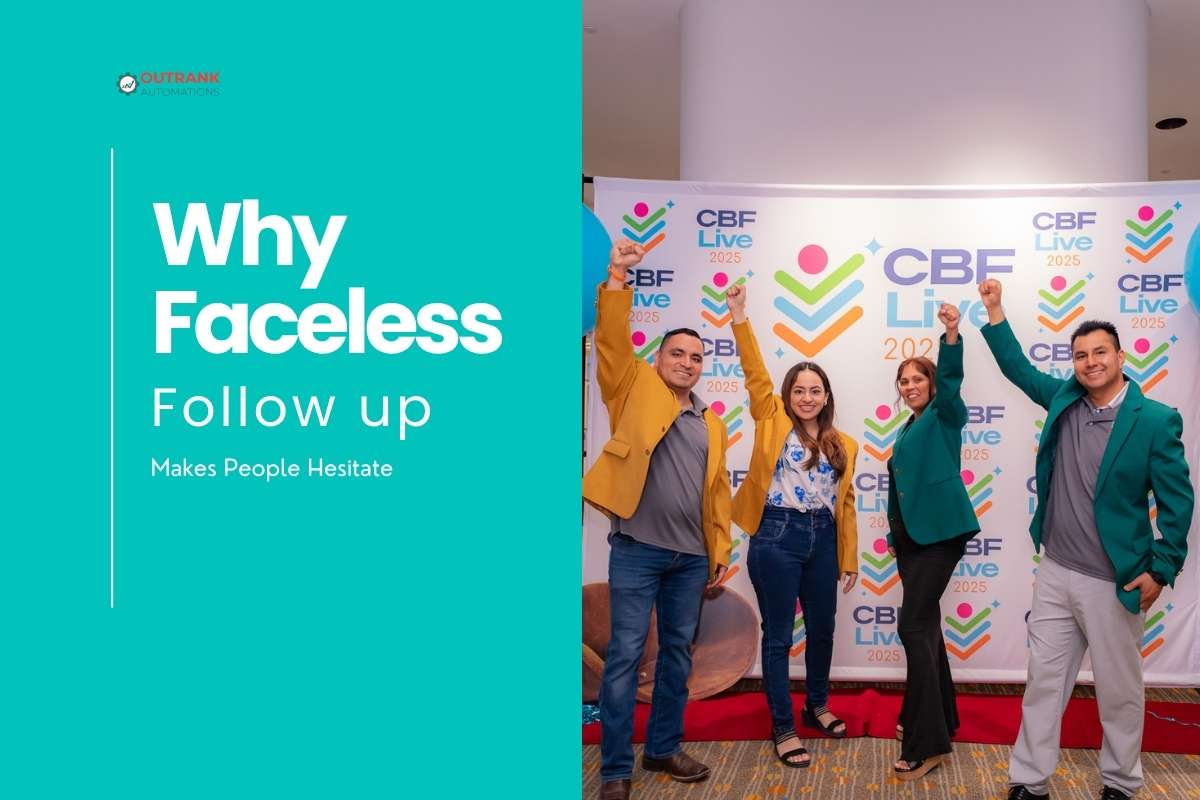
Why Faceless Follow Up Makes People Hesitate
People do not just want a clean home. They want to know who they are trusting with it.
Back in 2012, we did not have an About page on our website.
Not because we forgot.
Because I refused.
No photo. No story. No “meet the owner.”
At the time, I told myself it did not matter. People just wanted cleaning. Looking back, that was not true at all. What they really wanted was confidence. They wanted to know who they were trusting with their home.
That lesson has stayed with me because it shows up in follow up too.
A lot of cleaning companies think the job of follow up is just to stay in touch. Send the estimate. Check in. Maybe send a reminder. But if that communication feels faceless, people often hesitate. Not because they do not like you. Not because they are not interested. Because they do not know you yet.
When communication feels faceless, people fill in the blanks with uncertainty.
And uncertainty is expensive.
The real problem is not always your service
A lot of owners assume hesitation means price, timing, or lack of urgency.
Sometimes it does.
But sometimes the issue is simpler.
The business does not feel real enough yet.
Not because it is not real, but because the communication is too generic. A plain estimate email. A templated follow up. No personality. No context. No sense of who is behind the company. From the lead’s perspective, they are being asked to trust someone with access to their home, their family’s space, and their routines. That is personal.
So when follow up feels cold or anonymous, people pause.
Trust usually does not break in one dramatic moment. It slips in small moments where confidence never gets built.
Why this matters so much in cleaning
Residential cleaning is not like ordering office supplies or booking a simple delivery. People are inviting someone into one of the most personal spaces they have.
That means your follow up has a bigger job than just moving the sale forward.
It has to build trust.
It has to reduce uncertainty.
It has to help someone feel like there are real people behind the business who care, communicate well, and know what they are doing.
That is why the “faceless” problem matters. If all your communication sounds like it could have come from anyone, it becomes harder for someone to feel confident choosing you.
3 ways to make your follow up feel more human
1. Put a real person into the process
This does not have to mean becoming a full-time content creator.
A short founder introduction, a quick team message, or a simple video touch can go a long way. Even a warm text written like a real person instead of a template can change the feel of the interaction.
People trust people faster than they trust logos.
One real human touch can do more than five polished but generic messages.
2. Use more than one channel
Sometimes an email gets ignored. Sometimes a text gets skimmed. Sometimes a lead means to reply and forgets.
That is normal.
This is where multi-channel follow up matters. A thoughtful combination of text, email, ringless voicemail and occasional video helps your communication feel more present and more personal without being pushy. It also gives people more than one chance to notice, remember, and respond.
The goal is not to overwhelm people.
The goal is to make it easier for them to stay connected to the conversation.
3. Make sure your tone sounds like a real business owner
A lot of follow up fails because it sounds stiff, overly polished, or too automated.
Good follow up should feel clear, warm, and confident. It should sound like a thoughtful company that knows how to guide people well. Not robotic. Not corporate. Not vague.
This matters more than people think.
You can have the right timing and still lose trust if the tone feels cold.
People are often deciding how organized and trustworthy your company feels long before they ever book.
Why this matters more than people think
Faceless follow up does not just hurt conversions. It affects how your business is perceived.
It can make a strong company feel small.
It can make a thoughtful process feel generic.
It can make a trustworthy business feel harder to trust.
And the opposite is true too.
When your communication feels human, people relax. They feel more certain. They feel like they understand who they are dealing with. That confidence helps them take the next step.
This is one of the reasons humanized follow up matters so much. Not because every lead needs more messages, but because they need better ones.
Where automation fits in
A lot of owners hear “automation” and immediately think cold, robotic, or impersonal.
Used poorly, it can feel that way.
Used well, it does the opposite.
Good automation helps you stay consistent without losing the human side. It helps you follow up on time, across more than one channel, with messaging that feels thoughtful and personal. It keeps things from slipping through the cracks while still helping your business sound like you.
Automation should not replace the human part. It should support it.
That is the difference.
At Outrank Automations, this is what we help cleaning companies build. Done-for-you systems that keep follow up consistent, personal, and clear so leads feel more confident moving forward.
Want follow up that feels more human without creating more manual work?
Book a demo and we’ll show you how Outrank Automations helps cleaning companies use text, email, ringless voicemails, video touches, and done-for-you systems to build trust and stay consistent.
